PORTUGUESE SILK
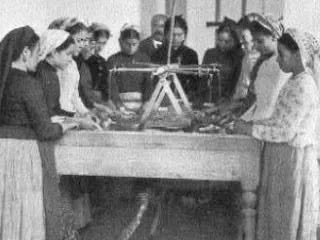
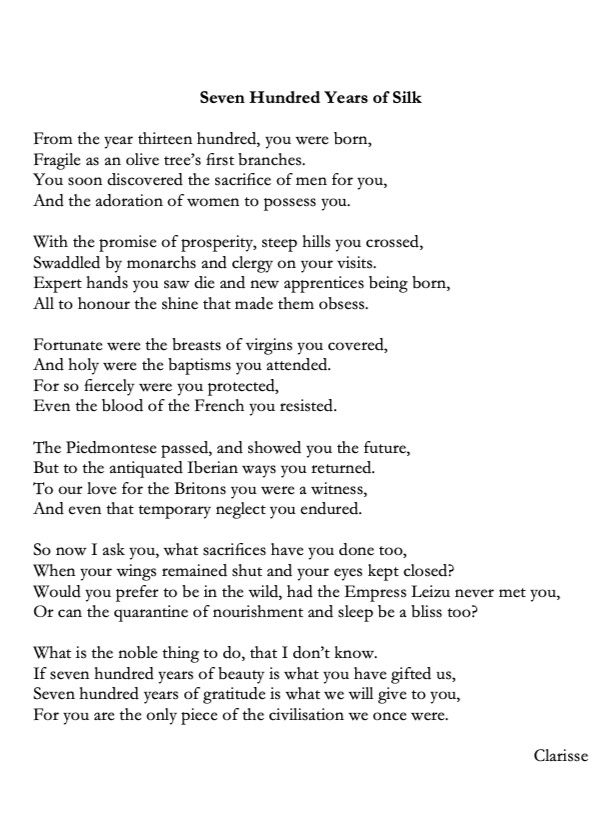
Discover how the almost-extinct Portuguese silk
survived a Duke’s monopolisation, a Port Wine Treat
and the influence of a Piedmontese family,
to now being immortalised in every Fátoli piece.

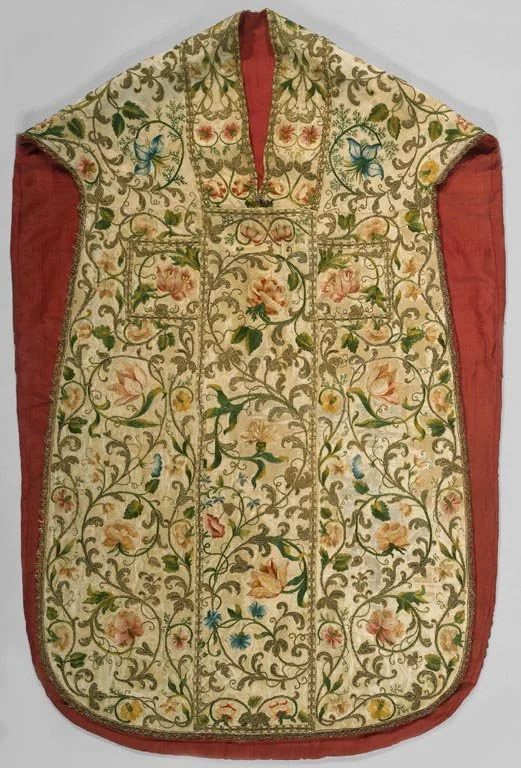
The Silk That Survived Empires: From Bragança to Fátoli
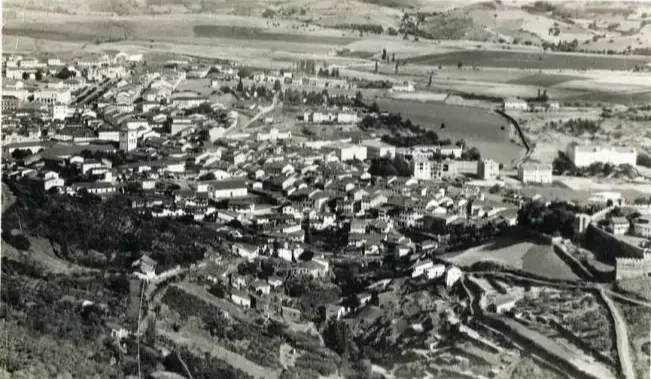
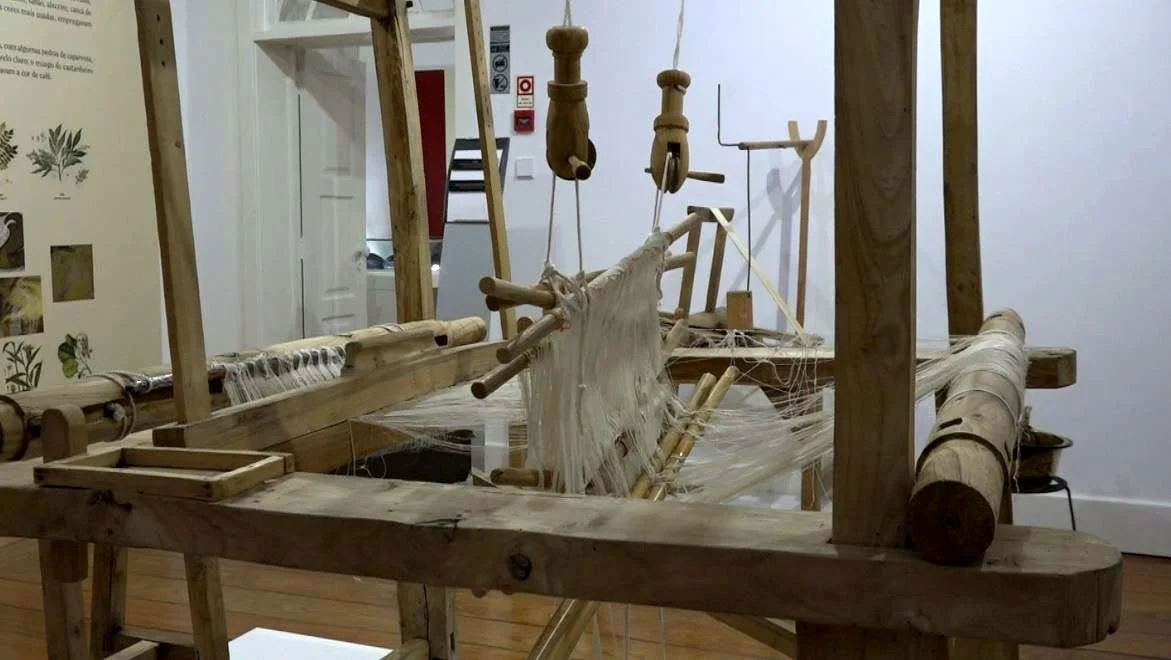
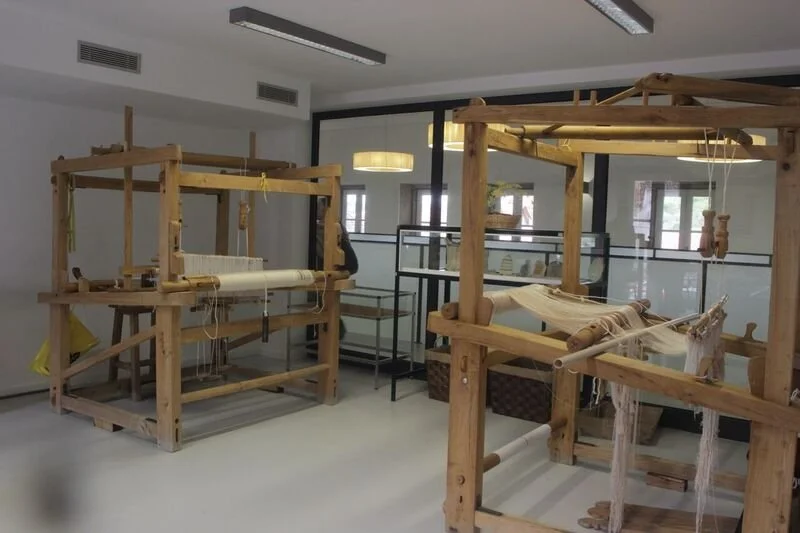
Bragança, in the Northeast of Portugal, was once an opulent centre of silk production, making 177.936 meters of silk fabric in 1794.
Silk production in Trás-os-Montes dates back to the 15th century, while silkworms had already been reared in the region since the 13th century. The industry also spread through neighbourhood towns and rural areas including Vinhais, Chacim and Freixo de Espada à Cinta.
In the early 17th century, Bragança was producing luxury silk textiles including velvet, taffeta and mantles. These were sent to Lisbon to be sold, with dyed foreign silk requested by the The Royal Silk Factory. Transporting these goods was no small challenge, given Bragança’s distance from Lisbon, its mountainous terrain and its position along the Douro.
The Duke and The Methuen Treaty
The silk production suffered periods of great crisis followed by technological investment and prosperity.
In the mid-15th century, production in Bragança had been monopolised by the Duke of Guimarães, the town’s donee. Later, the region benefited from Portugal’s industrial expansion in the late 17th century, and the Bragança factory was revived with the help of experts from Toledo sent by the Crown.
In 1703, the Methuen Treaty was signed (also known as “The Treaty of Port Wine”), a no-tax agreement for British woollen fabrics to enter Portugal, and Port wine to enter Great Britain.
Making cloth was relatively scalable while Port wine was limited to geographical constraints, creating a substantial trade deficit for the Portuguese side (with the 800 tonnes of gold found in Minas Gerais reversing temporarily the deficit).
Paradoxically, the gold findings did not lead to sustained industrial growth in Portuguese, as the new wealth reduced the pressure to invest in domestic manufacturing, contributing to a slowdown in the technological advances already underway.
The deceleration of the industrial advancements, the competition with English and Chinese fabrics, and with capital, land and labour shifting from fabric factories to wine production created a massive toll in North of Portugal’s fabric production.
The Arnaud Family
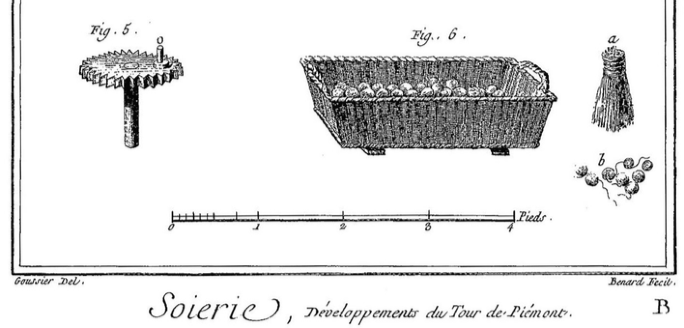
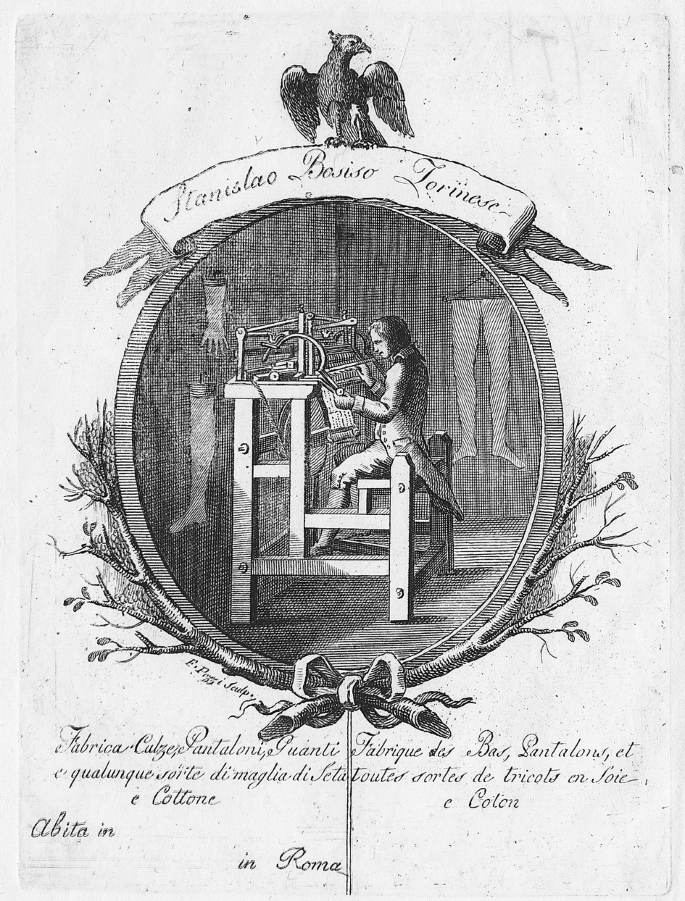
From around 1770 onwards, entrepreneurs began trying to modernise the industry, with foreign techniques being introduced, including Piedmontese silk-spinning methods (the most advanced at the time).
The Arnaud family established a spinning school and silk factory in Chacim and introduced a new production method. The resulting leap in quality was made possible only by the involvement of foreign experts.
In 1794, the region had 232 looms and produced 269.600 côvados (ancient measure of length; equivalent to 177.936 metres) of silk fabric. In Bragança alone, around 950 people worked in the silk industry, representing approximately 18% of the town’s population. Across the region, 1.732 workers were operating silk looms.
The French Invasions and Brazil’s Trade
The French Invasions between 1807 and 1810 brought the death and mobilisation of the Portuguese people and the paralysis of the economy causing a devastating blow to the industry.
With Brazil becoming a part of the international trade and Portugal keeping a small-scale production, the competition became so unbalanced that in 1817, Bragança had a maximum of 40 silk looms at time.
Compared to 1794, Bragança produced 4.554 meters of fabric in 1829, a decline of more than 97%.
Glory Slowly Replaced
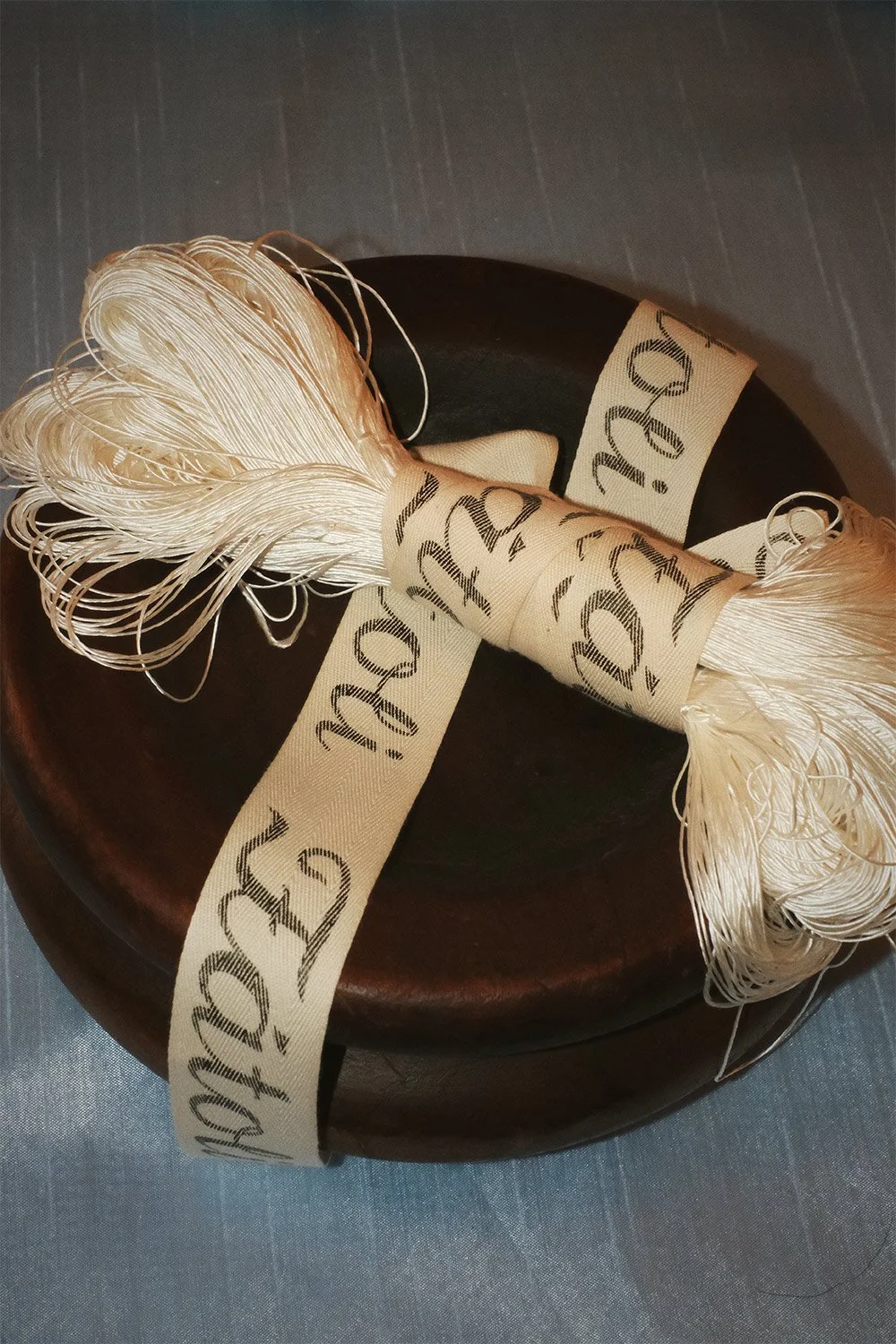
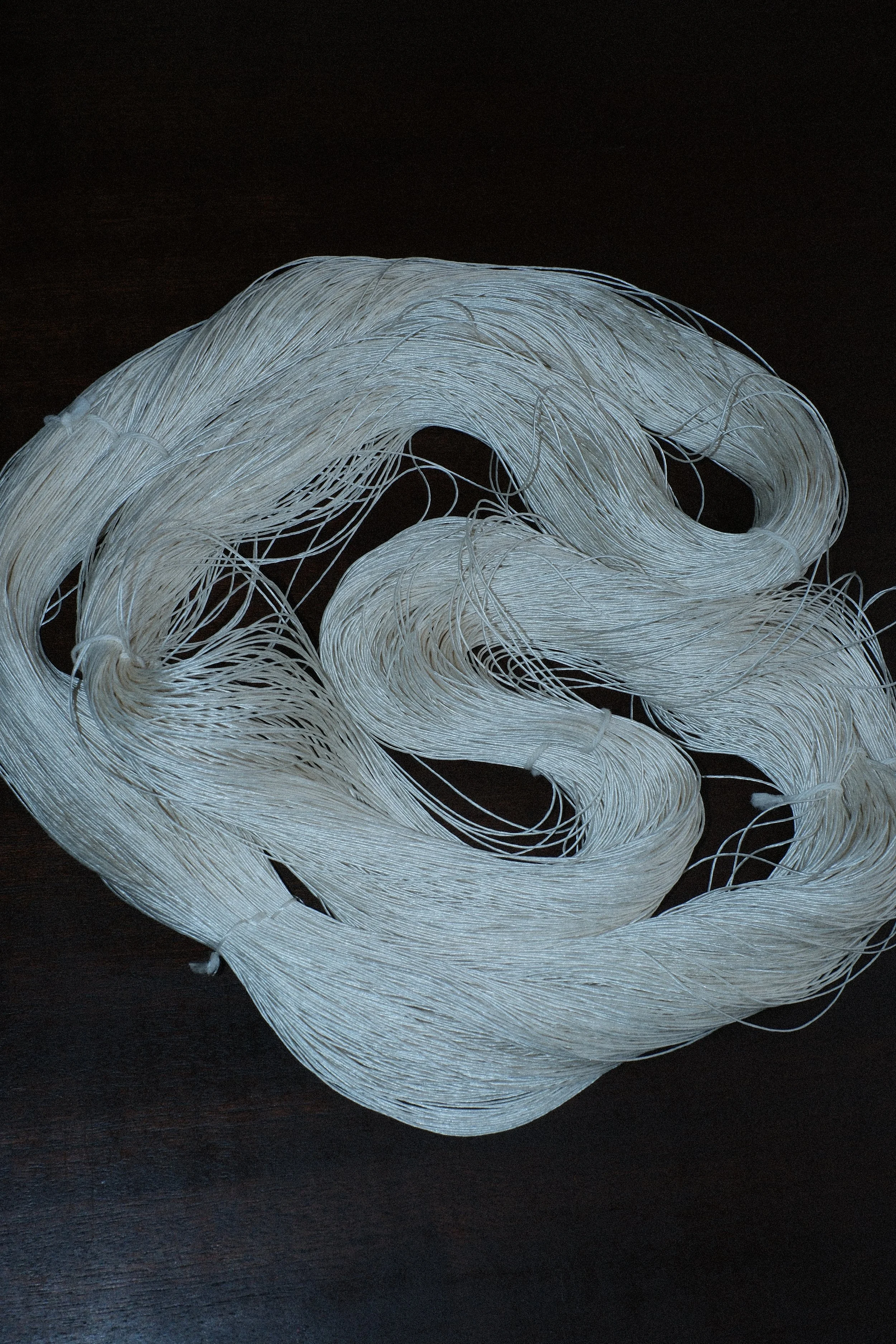
Today, only a few ateliers remain, with a small and limited production. The silk is now mainly produced as skeins, traditionally used in embroidery.
One fashion brand chose to incorporate this almost-extinct national treasure into its own pieces.
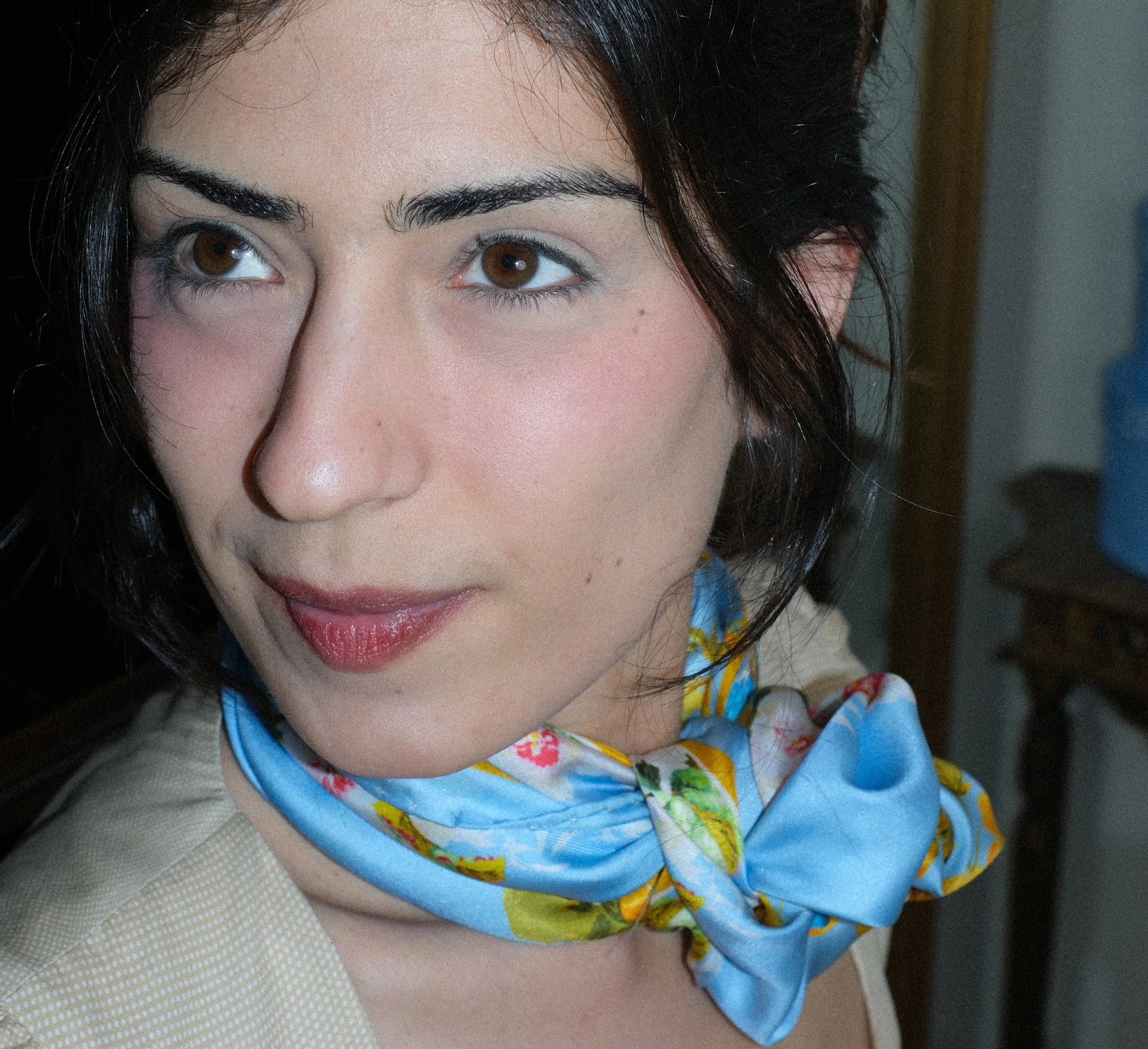
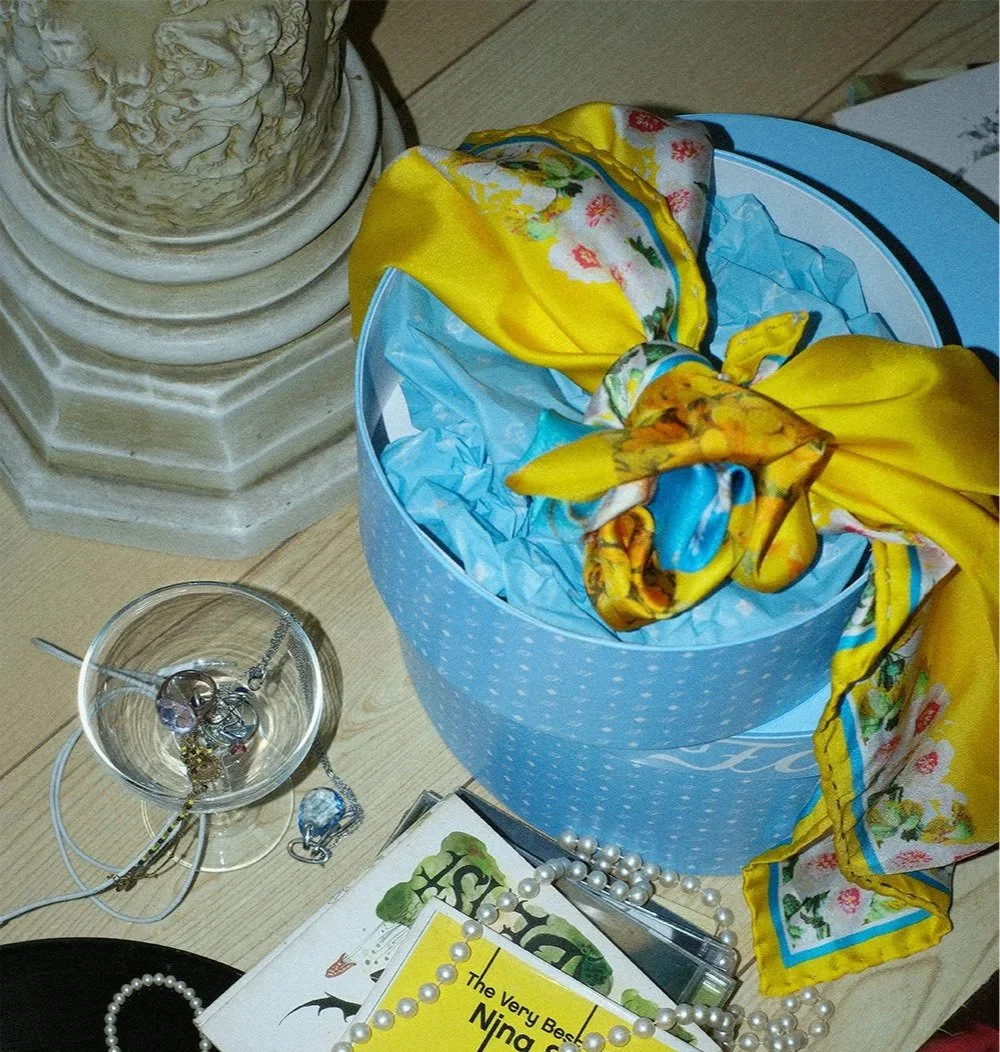
Fátoli uses Portuguese silk to embroider initials, finish hems and create other hand-finished details, preserving the ancient material and passed-down savoir-faire.
Portuguese silk remains, after all, a test of time.
Sources:
https://www.lbma.org.uk/alchemist/issue-106/great-britain-and-portugal-without-parallel-in-world-history
https://repositorio-aberto.up.pt/bitstream/10216/19882/2/fernandosousa000082947.pdf
https://www.insightvacations.com/blog/portugals-oldest-wine/
https://premodeconhist.wordpress.com/2008/07/20/sousa-f-2005-silk-industry-in-northeastern-portugal-15th-19th-century/
https://en.wikipedia.org/wiki/Beatriz_Arnut
https://ondalivrefm.net/2018/01/20/bbraganca-um-distrito-com-historia-na-producao-de-seda/
https://www.cm-freixoespadacinta.pt/ver.php?cod=0E0E0D
https://pt.wikipedia.org/wiki/Duque_de_Guimar%C3%A3es
pt.wikipedia.org/wiki/Fernando_II,_Duque_de_Bragança
https://www.facebook.com/groups/1260301494079533/posts/2973127266130272/
https://panosdaterra.wordpress.com/2014/11/10/silk-and-the-city-a-criacao-da-casa-dos-sirgos-de-braganca-no-seculo-xv/
https://link.springer.com/chapter/10.1007/978-3-032-15353-1_8